
Zinc: daily needs, food sources and when to supplement
Zinc is an essential trace element that the body does not store in any usable reserve, so it has to come from food every day: adults need roughly 7.5 to 16 mg per day depending on sex and diet. It is involved in the work of several hundred enzymes. Here is how much zinc you need, where to find it, who is likely to fall short and when a zinc supplement can make sense.
In short
- Zinc is an essential trace element found in every cell and needed by several hundred enzymes.
- EFSA reference intakes are 7.5 to 12.7 mg per day for women and 9.4 to 16.3 mg for men, depending on phytate intake.
- The best sources are oysters, red meat, hard cheeses, pumpkin seeds, pulses and whole grains.
- Vegetarians, vegans, older adults and endurance athletes are more likely to have low intakes.
- EFSA's tolerable upper intake level is 25 mg per day from all sources combined.
What does zinc do?
Zinc is part of the structure and activity of a great many enzymes and proteins, including those involved in making DNA and proteins and in cell division. Unlike iron, the body has no real zinc store it can draw on, so a regular intake is needed.
In Switzerland, as in the EU, zinc has several official health claims. Zinc contributes:
- to the normal function of the immune system;
- to the maintenance of normal skin;
- to the maintenance of normal hair;
- to the maintenance of normal nails;
- to the protection of cells from oxidative stress;
- to normal cognitive function.
How much zinc per day?
In 2014 the European Food Safety Authority (EFSA) published reference intakes that take phytates into account. These compounds, found in whole grains, pulses and seeds, bind zinc and reduce its absorption. The more of them your diet contains, the more zinc you need.
| Phytate intake (mg/day) | Women (mg zinc/day) | Men (mg zinc/day) |
|---|---|---|
| 300 (few whole grains) | 7.5 | 9.4 |
| 600 | 9.3 | 11.7 |
| 900 | 11.0 | 14.0 |
| 1200 (rich in whole grains and pulses) | 12.7 | 16.3 |
In Switzerland, the Swiss Society for Nutrition refers to the D-A-CH reference values, which follow the same logic and give similar figures. EFSA's upper limit for adults is 25 mg per day, food and supplements combined.
The best food sources of zinc
Zinc from animal foods is generally absorbed better than zinc from plants, because there are no phytates. Here are the main food groups, ranked qualitatively.
| Foods | Zinc content | Absorption |
|---|---|---|
| Oysters and shellfish | Very high | Good |
| Beef, lamb, pork, offal | High | Good |
| Hard cheeses (Gruyère, Emmental) | High | Good |
| Pumpkin seeds, sesame, cashews | High | Medium (phytates) |
| Lentils, chickpeas, beans | Medium | Medium (phytates) |
| Oats, wholemeal bread, quinoa | Medium | Variable (better with sourdough) |
| Eggs, poultry | Medium | Good |
Good news for plant-based eaters: soaking, sprouting, fermenting and sourdough baking lower phytate levels and improve the absorption of zinc from plants.
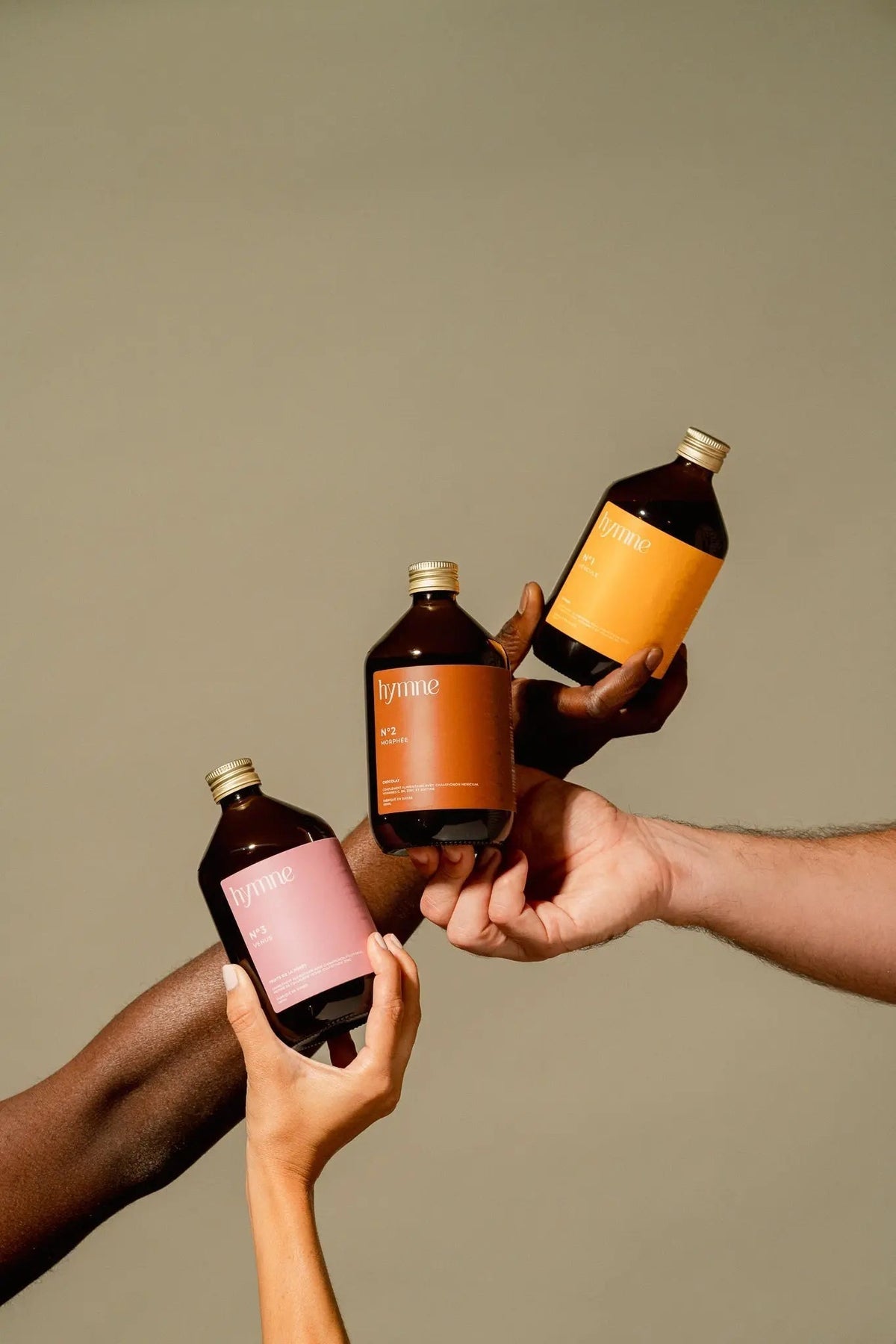
Vénus, zinc, vegan collagen and Polyporus
Vénus provides zinc, combined with organic Polyporus umbellatus, vegan collagen from carrot and broccoli and reduced glutathione, in a liquid formula with a forest berry flavour. Zinc contributes to the maintenance of normal skin, hair and nails. CHF 69.00 per 450 ml bottle (30 days), or -15% with the monthly subscription, cancel anytime. Free shipping in Switzerland from CHF 69.
Who is at risk of low zinc?
Severe deficiency is rare in Switzerland, but borderline intakes are possible in some situations:
- Vegetarian or vegan diets: fewer animal sources and more phytates.
- Older adults: smaller appetite, less varied diet, sometimes less efficient absorption.
- Endurance athletes: some zinc is lost through sweat.
- Regular alcohol use or chronic digestive problems.
- Pregnancy and breastfeeding: higher needs, to be discussed with a health professional.
Blood zinc levels are not a perfect marker of zinc status, which makes diagnosis tricky. If in doubt, talk to your doctor rather than stacking supplements.
When and how to take a zinc supplement
A supplement can make sense when your diet does not cover your needs, for instance on a plant-based diet. A few practical pointers:
- Dose: common supplements provide a few milligrams a day, which is enough to top up a diet. Add up the zinc from all your supplements to stay below 25 mg a day.
- Timing: on an empty stomach, zinc can cause nausea in some people. Taken with a meal that is not too rich in whole grains, it is often better tolerated.
- Interactions: high doses of iron or calcium can reduce its absorption. Zinc can also interact with certain antibiotics (tetracyclines, quinolones), so ask your pharmacist.
- Copper: long-term excess zinc can reduce copper absorption, which is why the upper limit matters.
To check how much zinc a product really contains and how to compare, read our guide on reading a supplement label and our 7 criteria for choosing a quality supplement.
Zinc in Hymne supplements
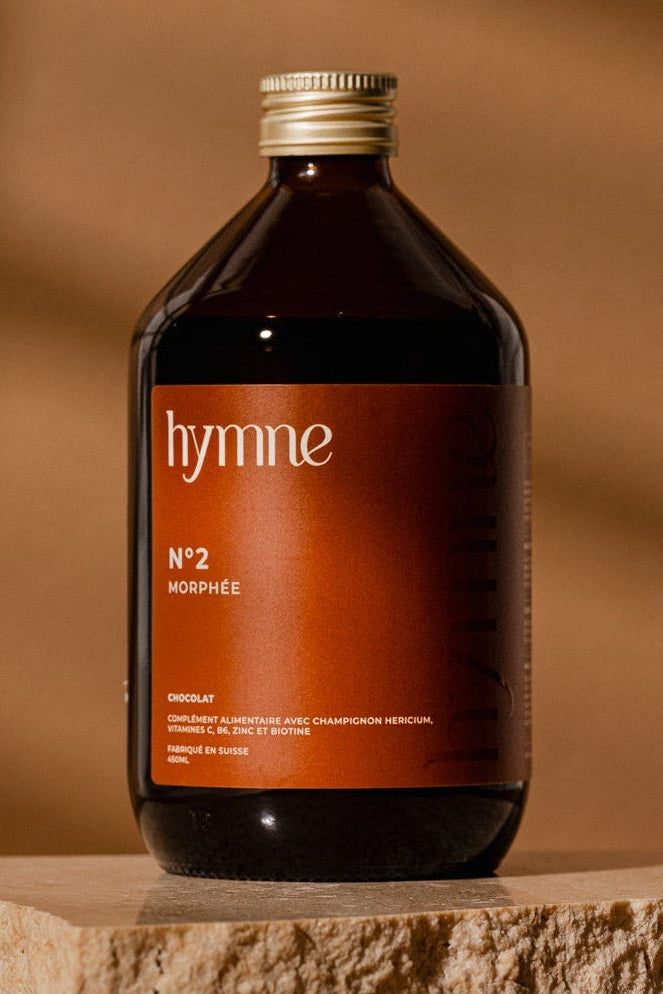
Both Morphée and Vénus contain zinc. In Morphée it is paired with biotin, vitamins C and B6 and lion's mane. In Vénus it sits alongside vegan collagen, reduced glutathione and Polyporus. There is therefore no need to take several other zinc supplements at the same time. The link between zinc and hair is covered in our article on biotin for hair.
Precautions
A supplement does not replace a varied, balanced diet. Do not exceed the recommended daily dose and take into account every product you use. If you are on medication, unwell or unsure, ask a health professional. Hymne products are not suitable for pregnant or breastfeeding women.
Frequently asked questions
How much zinc do you need per day?
According to EFSA, adult women need 7.5 to 12.7 mg a day and men 9.4 to 16.3 mg, depending on how many phytates their diet contains. The more whole grains and pulses you eat, the higher your needs.
Which foods contain the most zinc?
Oysters are by far the richest source, followed by red meat, hard cheeses and pumpkin seeds. Pulses and whole grains also provide zinc, but it is less well absorbed.
Can you take too much zinc?
Yes. EFSA has set an upper limit of 25 mg per day for adults from all sources. Long-term excess can, among other things, interfere with copper absorption.
When is the best time to take zinc?
Zinc can be taken at any time of day, but it is often better tolerated with a meal. Avoid taking it at the same time as high-dose iron or calcium.
For zinc as part of a simple routine, choose Vénus, with vegan collagen, or Morphée, with biotin and vitamins C and B6. All our formulas are in the Hymne range.
Read more

Glutathione is a tripeptide your body makes itself. Its biochemical role, food sources, supplement forms and precautions, without the hype.
Less daylight, more time indoors and a busy diary: winter tiredness has several causes. Here are the useful nutrients, what authorised claims say about them and the habits worth adopting.