

Glutathione: what it does, food sources and supplement forms
Glutathione is a small peptide made of three amino acids (glutamate, cysteine and glycine) that the body produces itself and that is found in almost every cell. It is everywhere in beauty and wellness marketing, often with exaggerated promises. This guide explains what glutathione actually does in the body, which foods contain it, which supplement forms exist and how to approach it sensibly.
In short
- Glutathione is a tripeptide (glutamate, cysteine, glycine) produced by the body, especially in the liver.
- It exists in a reduced form (GSH) and an oxidised form (GSSG). The ratio between the two is used in research as a marker of cellular redox balance.
- Asparagus, avocado, spinach and okra contain glutathione, but cooking and digestion reduce the amount available.
- Supplements use reduced glutathione, liposomal glutathione or S-acetyl glutathione. How well it is absorbed orally is still debated.
- No health claim is authorised for glutathione in Switzerland. At Hymne, it is one of the ingredients of Vénus.
What is glutathione?
Glutathione is a tripeptide, a very short chain of three amino acids. It was described in the early twentieth century, notably by the British biochemist Frederick Gowland Hopkins in the 1920s. Its chemistry hinges on cysteine, which carries a highly reactive sulphur-containing thiol group. That group lets glutathione donate or accept electrons and take part in many reactions inside the cell.
Unlike vitamins, glutathione is not an essential nutrient. The body builds it from its three amino acids, provided enough of them are available. Cysteine is usually considered the limiting factor, which is why attention often turns to protein-rich and sulphur-rich foods.
Reduced vs oxidised glutathione
Glutathione comes in two forms. The reduced form (GSH) is the one that can take part in neutralising reactions. In doing so it becomes the oxidised form (GSSG), in which two molecules are linked together. An enzyme called glutathione reductase then converts it back. In a cell in good balance, the reduced form clearly dominates, which is why supplement labels usually say "reduced glutathione".
What does glutathione do in the body?
From a biochemical point of view, glutathione is involved in several fundamental processes described in any physiology textbook:
- Redox balance: it is a substrate for enzymes such as glutathione peroxidase, which handle reactive oxygen species produced by normal metabolism.
- Recycling other antioxidants: it helps regenerate vitamin C and, indirectly, vitamin E.
- Conjugation reactions: in the liver, enzymes called glutathione S-transferases attach it to certain substances so they can be eliminated.
- Storing and transporting cysteine: it acts as a reserve of this sulphur amino acid.
These roles are well established in biochemistry. They do not mean that a glutathione supplement has any particular health effect: that is a separate question, still being researched, and no claim is authorised for it. By comparison, vitamin C has an official claim: it contributes to the protection of cells from oxidative stress. We look at how the two relate in our article on glutathione and vitamin C.
Why is glutathione so popular in beauty?
In several Asian countries, glutathione has been promoted for years for the appearance of the skin, sometimes as injections. The scientific evidence on this is limited, and several health authorities have warned against injections, which have nothing to do with a food supplement. In Switzerland, a product containing glutathione cannot claim any effect on the skin.
Glutathione food sources
Some fruits and vegetables contain glutathione as such, particularly when fresh and raw. Your diet also supplies the amino acids your body uses to make it. The table below summarises the main food groups. We deliberately leave out precise figures, because levels vary widely with freshness, variety and preparation.
| Foods | What they provide | Good to know |
|---|---|---|
| Asparagus, avocado, spinach, okra | Glutathione as such | Higher when raw and fresh, drops with cooking |
| Broccoli, cabbage, garlic, onion | Sulphur compounds | Useful for overall sulphur intake |
| Eggs, fish, poultry, pulses | Cysteine, glycine, glutamate | The building blocks for the body's own synthesis |
| Whey | Cysteine-rich protein | Often studied as a source of precursors |
A varied diet with plenty of vegetables and good-quality protein remains the foundation. Part of dietary glutathione is broken down during digestion, which is why the absorption question keeps coming up.
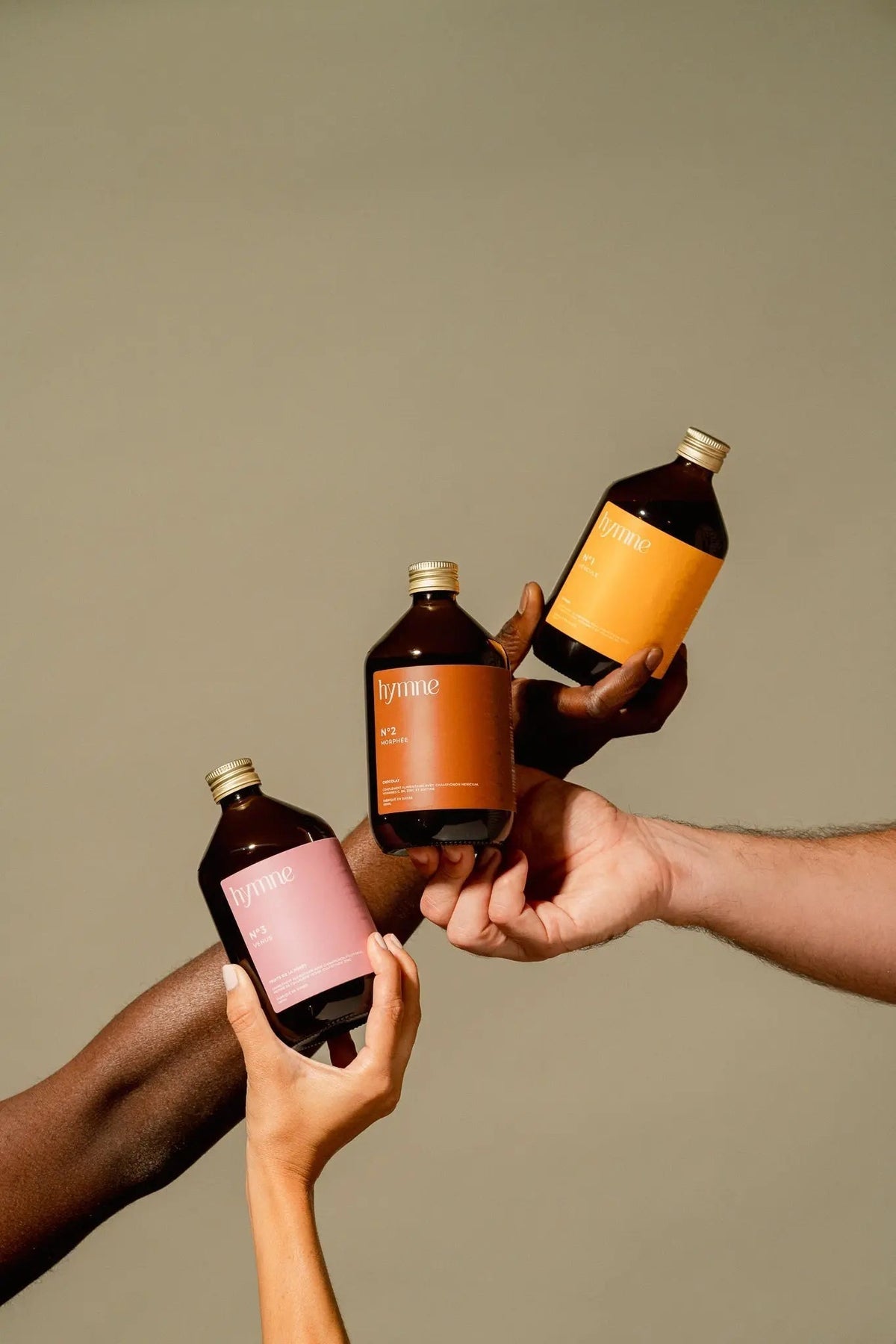
Vénus, Polyporus, vegan collagen and reduced glutathione
Vénus combines organic Polyporus umbellatus, vegan collagen from carrot and broccoli, reduced glutathione and zinc in a liquid formula with a forest berry flavour. Zinc contributes to the maintenance of normal skin. CHF 69.00 per 450 ml bottle (30 days), or -15% with the monthly subscription, cancel anytime. Free shipping in Switzerland from CHF 69.
Glutathione supplements: which form?
The market offers several forms, each with its own argument:
- Reduced glutathione (GSH): the most common form. It was long assumed to be fully broken down in the gut. Some clinical trials suggest regular intake may change the body's stores, while others found no such effect, so the debate is still open.
- Liposomal glutathione: the molecule is wrapped in tiny lipid vesicles meant to protect it during digestion. Comparative data remain scarce.
- S-acetyl glutathione: a modified form marketed as more stable, with little research in humans so far.
- Precursors: some approaches focus on the starting materials, such as glycine or N-acetylcysteine (NAC), the latter mainly used as a medicine.
How to read the label
A serious product states the form used (for example "reduced glutathione") and the amount per daily serving. Be wary of promises of a "glowing complexion" or a "detox": such wording is not permitted for glutathione. Our guide to reading a supplement label in Switzerland covers the essentials.
Glutathione in Vénus
In Vénus, reduced glutathione is combined with Polyporus umbellatus, vegan collagen and zinc. We chose the reduced form because it is the one that naturally dominates in cells. The formula is liquid: one tablespoon (15 ml) a day in a large glass of water. To understand each ingredient, read our breakdown of the ingredients in Vénus and our vegan collagen guide.
Precautions
A supplement does not replace a varied, balanced diet or a healthy lifestyle. If you are on medication, have a chronic condition or are unsure, ask your doctor or pharmacist. Hymne products are not suitable for pregnant or breastfeeding women. Do not exceed the recommended daily dose.
Frequently asked questions
Does the body make its own glutathione?
Yes. The body synthesises it from glutamate, cysteine and glycine, mainly in the liver. Strictly speaking, it is therefore not an essential nutrient like a vitamin.
Which foods contain glutathione?
Asparagus, avocado, spinach and okra contain it as such, especially raw. Eggs, fish, pulses and sulphur-rich vegetables like broccoli provide the building blocks the body needs to make it.
Is oral glutathione absorbed?
This is debated. Part of it is broken down during digestion, and the available clinical trials give mixed results. Liposomal and acetylated forms aim to improve stability, with little comparative data so far.
Does glutathione have an authorised health claim in Switzerland?
No. No health claim is authorised for glutathione. A product therefore cannot attribute effects on skin, detoxification or immunity to it.
Want to add reduced glutathione to a simple daily routine, alongside vegan collagen and zinc? Discover Vénus or the 3-month course, and browse the full Hymne range.
Read more

How to choose functional mushrooms in Switzerland in 2026: seven practical criteria, the main forms, where to buy and the traps to avoid.
Zinc is an essential trace element. Daily needs, best food sources, who is at risk of low intake, how to supplement and precautions.