
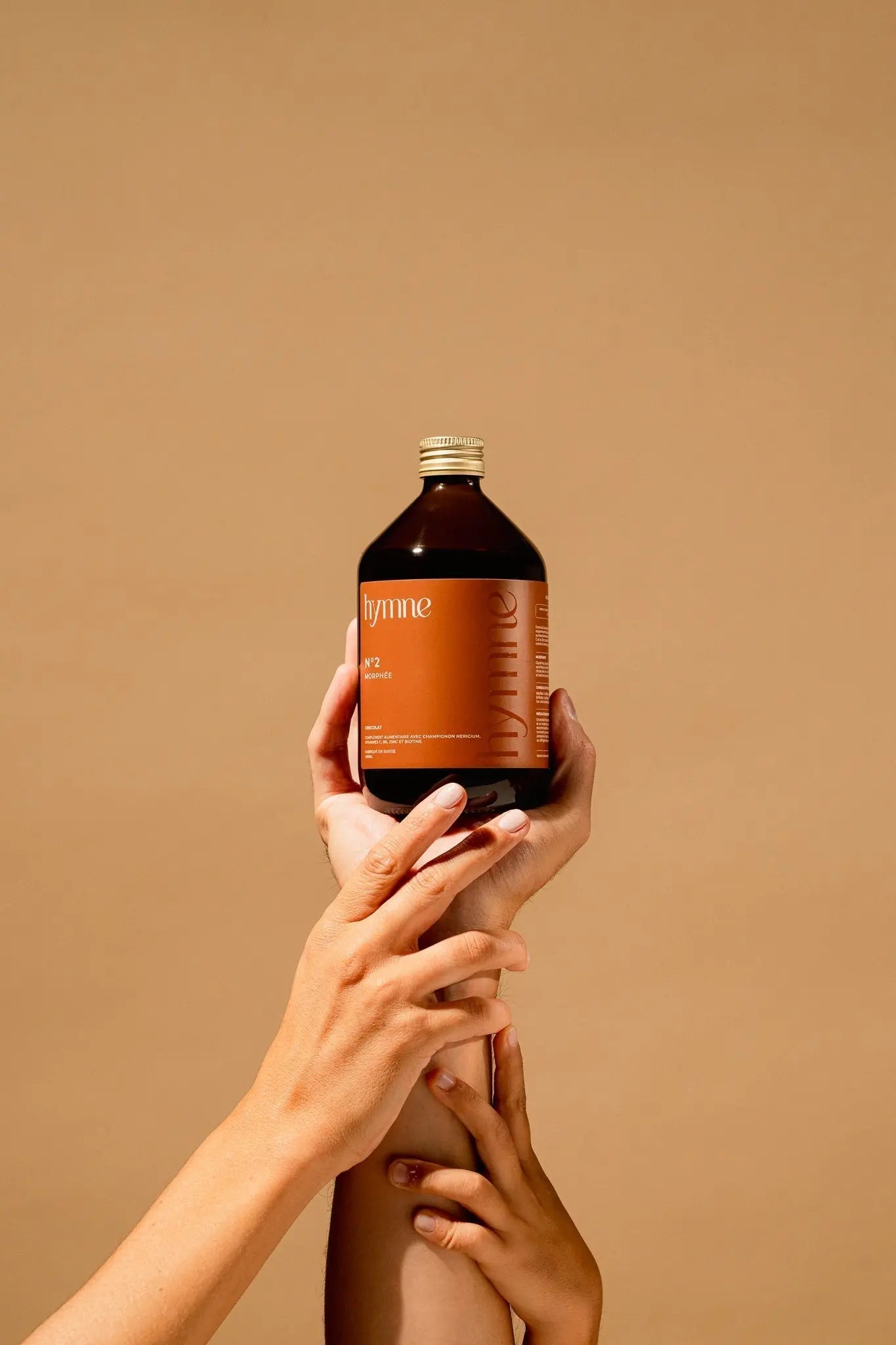
How to choose a quality food supplement in Switzerland? 7 essential criteria
The food supplement market is booming. In Switzerland, as elsewhere, the offer is plentiful: capsules, powders, ampoules, liquids... between loosely regulated foreign brands, sometimes excessive claims, and vague formulas, it's hard to navigate. Here are 7 concrete criteria for choosing a quality food supplement that complies with Swiss legislation.
1. Check that the product complies with Swiss regulations
In Switzerland, food supplements are governed by the Ordinance on Food Supplements (OCpAl, RS 817.022.104). A compliant product must clearly state "food supplement," indicate the recommended dosage, list all ingredients with their quantities, and contain no unauthorized therapeutic claims.
Beware of products imported from third countries that do not meet these requirements: they may circulate on the Swiss market without having been checked by the FSVO.
2. Read claims with a critical eye
Authorized claims in Switzerland are precise and regulated. A phrase like "contributes to the normal function of the immune system" is legal — it corresponds to vitamin C or zinc. A phrasing like "boosts your immunity" or "cures infections" is, however, illegal for a food supplement.
At Hymne, only claims from the positive list of the OALDal are used. This rigor is a sign of seriousness.
3. Take an interest in the galenic form
The form of the supplement influences its absorption. Liquid forms — like Hymne extracts — generally allow for rapid dispersion of active ingredients and avoid excipients (gelling agents, binders, anti-caking agents) often necessary in capsules or tablets.
For functional mushrooms in particular, the extraction method (aqueous, hydroalcoholic, dual extraction) determines which compounds are actually present in the final product.
4. Look at the list of ingredients and their dosage
A quality supplement clearly displays the quantities of each active ingredient. Beware of "proprietary blends" that group several ingredients under a single total weight without detailing individual proportions — a practice that makes any real evaluation of the product impossible.
5. Check origin and traceability
Where are the raw materials cultivated or extracted? Who are the suppliers? Functional mushrooms, in particular, have very different biochemical profiles depending on whether they are grown on natural wood substrate or on cereals, and according to their geographical origin.
Hymne is a brand formulated in Switzerland, with particular attention paid to the selection of its raw materials.
6. Distinguish between fruiting body and mycelium
For mushroom-based supplements, this distinction is fundamental. The fruiting body (the visible mushroom, with its cap) is generally richer in beta-glucans. The mycelium (the underground network of filaments) contains more other compounds, but can also contain residues of the cultivation substrate if the separation is not rigorous.
Some inexpensive products predominantly use mycelium cultivated on rice, which significantly dilutes the content of active fungal compounds in favor of starch.
7. Evaluate brand transparency
A serious brand clearly answers questions about its sources, extraction methods, and certifications. It doesn't promise miracles. It doesn't play on the ambiguity between nutritional claims and medical promises.
Hymne embodies this philosophy: honest communication, rigorous formulation, and assumed transparency about what functional mushrooms are — and what they are not.
Choosing a quality food supplement in Switzerland is first and foremost about being an informed consumer. These 7 criteria allow you to objectively evaluate any brand. And if you're looking for a reliable starting point, the Hymne range — formulated in Switzerland, compliant with OCpAl, and transparent in its communication — is a concrete example of what a modern food supplement should be.
Read more
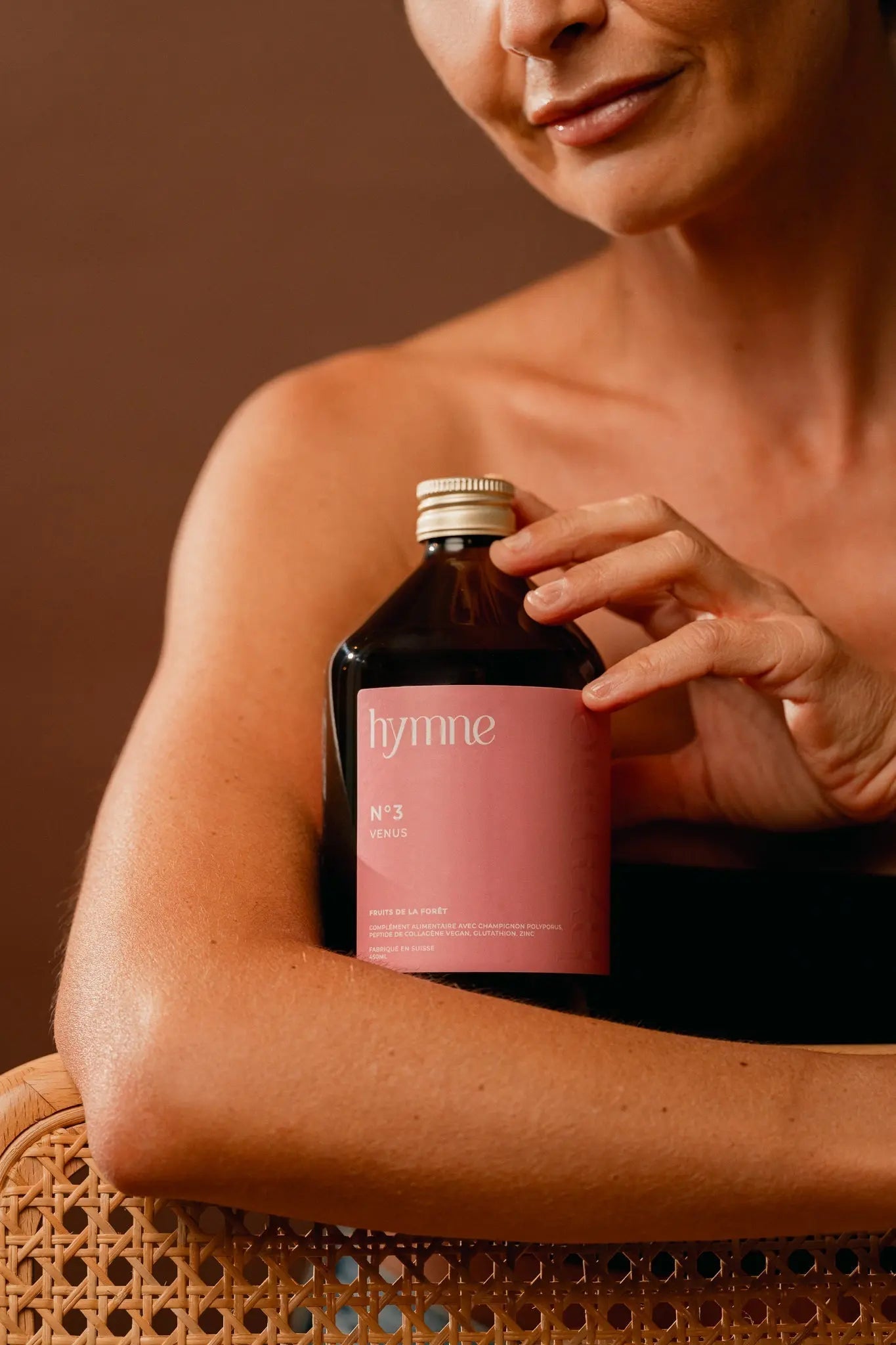
Collagen has become one of the most popular ingredients in beauty-oriented food supplements. But not all collagens are created equal. Between marine collagen, bovine collagen, and vegan collagen pe...
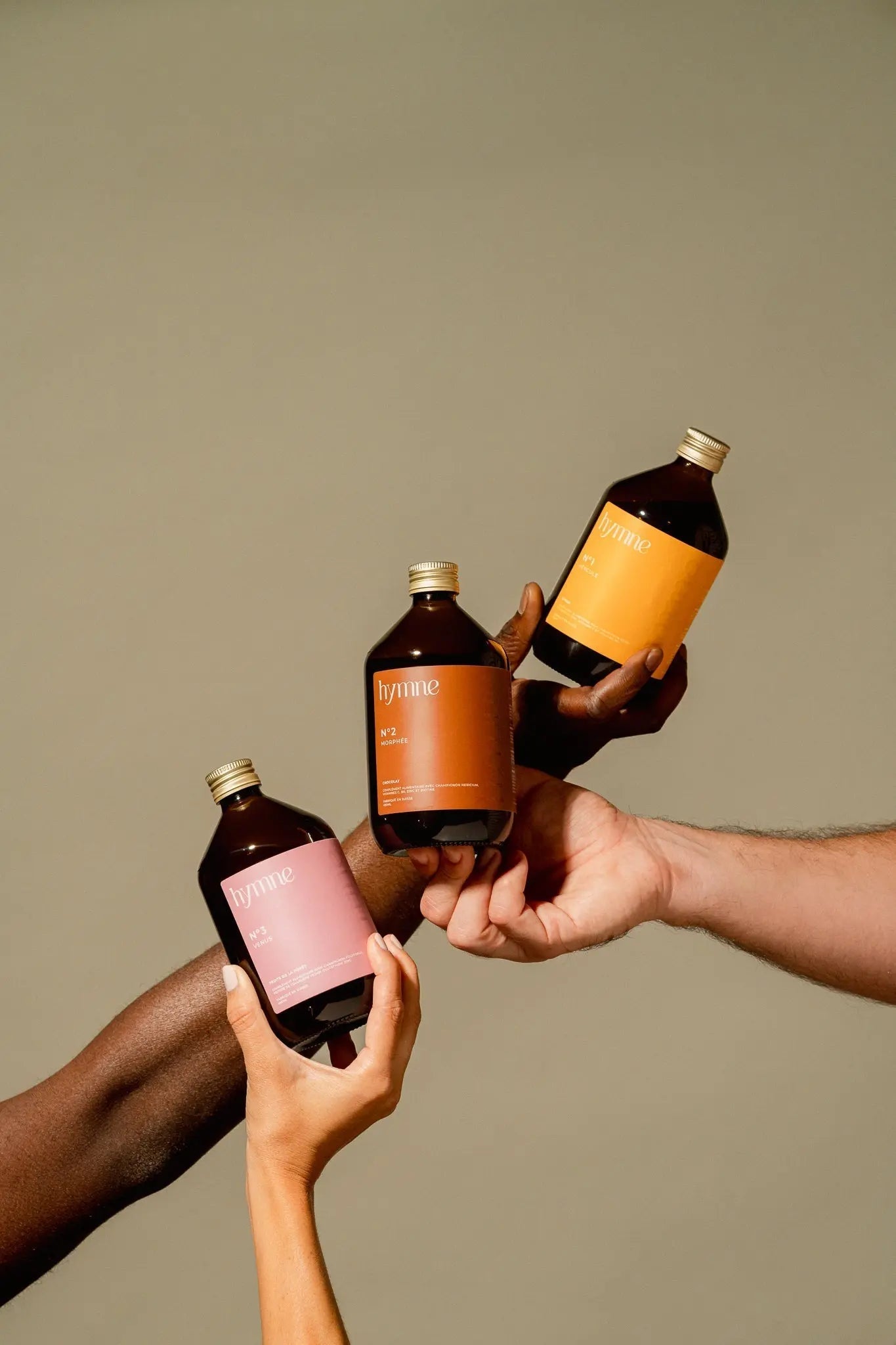
Among the most studied micronutrients, zinc holds a special place. It is one of the few minerals whose functional claims are explicitly recognized by Swiss regulations. In the Hymne range, it is pr...