
Biotin for hair: what to know before you take it
Biotin is a B vitamin (also called vitamin B7 or vitamin H) that contributes to the maintenance of normal hair, a claim officially authorised in Switzerland. Biotin for hair is sold in countless supplements, often at very high doses. Before you take it, it helps to know what biotin does, how much you need, where it is found and what the research does and does not show.
In short
- Biotin is a water-soluble B vitamin, known as B7 or vitamin H (B8 in France).
- Authorised claims: biotin contributes to the maintenance of normal hair, the maintenance of normal skin and the normal functioning of the nervous system.
- EFSA sets an adequate intake of 40 µg per day for adults. Deficiency is rare with a varied diet.
- Main sources: egg yolk, liver, nuts, pulses, oats, mushrooms.
- At high doses, biotin can interfere with some blood tests. Always tell the lab.
What is biotin?
Biotin is water-soluble: the body stores little of it and excretes any excess in urine. It acts as a coenzyme for enzymes called carboxylases, which are involved in the metabolism of carbohydrates, fats and some amino acids. Gut bacteria also produce small amounts, although it is unclear how much of that is actually absorbed.
The names can be confusing. In France it is called vitamin B8, while international usage favours B7, and German sources often say vitamin H, from Haut, the German word for skin. It is the same molecule in every case.
Biotin and hair loss: what the evidence says
The link between biotin and hair comes mainly from deficiency. A marked lack of biotin shows up, among other signs, as thinning hair and skin problems. Such deficiencies are rare. They mostly involve genetic disorders, certain digestive diseases, specific treatments or eating a lot of raw egg white, whose protein avidin blocks biotin absorption.
In people who are not deficient, the evidence is thin. A 2017 literature review in the journal Skin Appendage Disorders noted that the reported cases of improvement after supplementation mainly involved people with a deficiency or an underlying condition. In short, biotin contributes to the maintenance of normal hair, but it is not a universal fix for hair loss.
Hair loss has many causes
Shedding more hair in autumn is common. Hair loss can also be linked to iron deficiency, thyroid imbalance, hormonal changes, a stressful period, rapid weight loss or genetics. If it is marked or lasts for months, seeing a doctor or dermatologist and getting a blood test is more useful than any supplement.
How much biotin per day?
In 2014 the European Food Safety Authority (EFSA) set an adequate intake, because the data were not sufficient to calculate an average requirement. Most varied diets reach it easily.
| Group | Adequate intake (EFSA) |
|---|---|
| Adults | 40 µg per day |
| Pregnancy | 40 µg per day |
| Breastfeeding | 45 µg per day |
For comparison, many hair supplements contain several thousand micrograms per dose. EFSA has not set an upper safety limit, for lack of data, but such high doses cause a very real problem for lab tests (see below).
Morphée, lion's mane, biotin and zinc
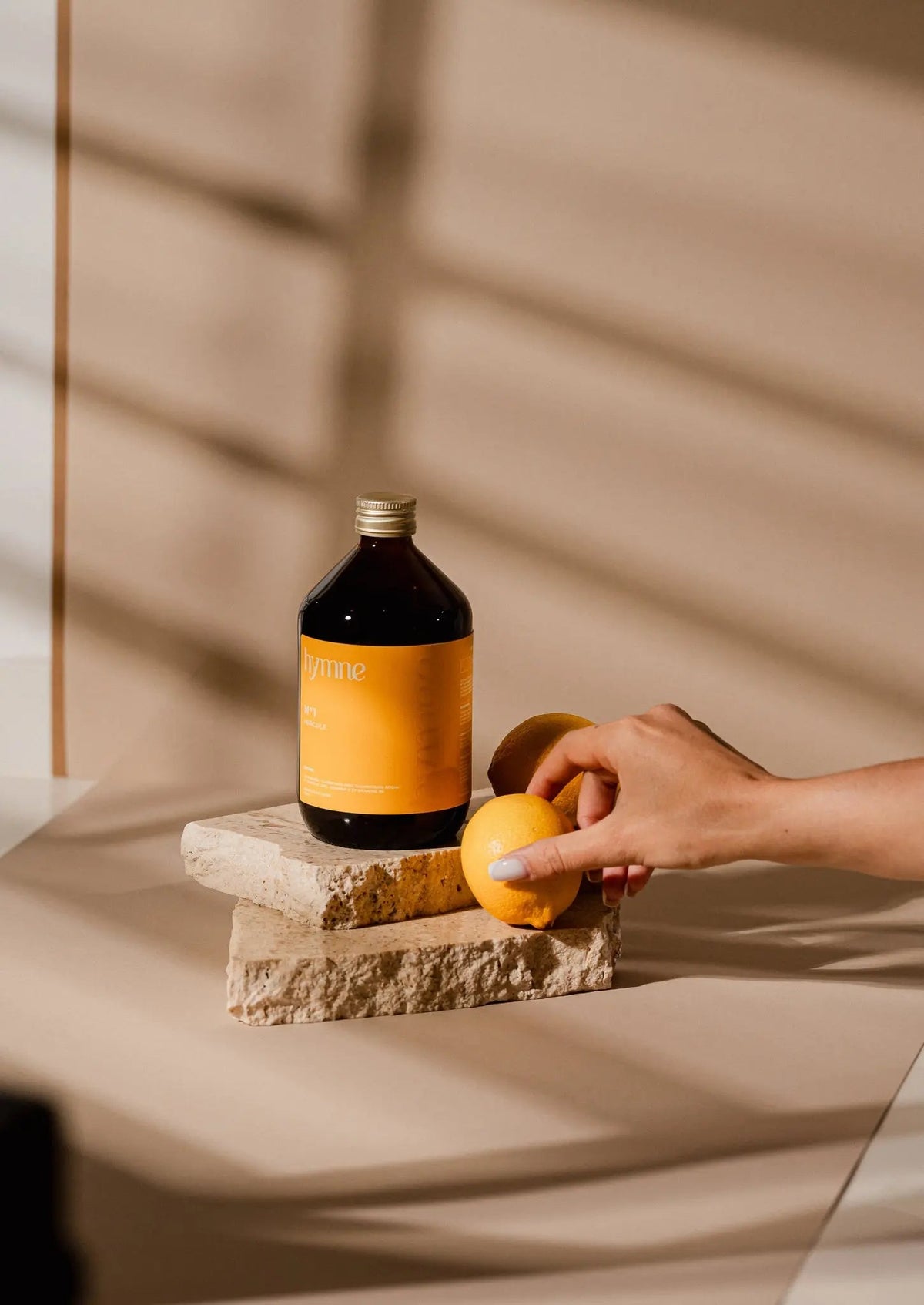
Morphée combines organic lion's mane (Hericium erinaceus) with biotin, zinc and vitamins C and B6 in a liquid formula with a chocolate flavour. Biotin and zinc contribute to the maintenance of normal hair. CHF 54.90 per 450 ml bottle (30 days), or -15% with the monthly subscription, cancel anytime. Free shipping in Switzerland from CHF 69.
Biotin food sources
Biotin is found in many foods, in varying amounts. The most useful include:
- Egg yolk: one of the best sources. Raw egg white contains avidin, which cooking neutralises.
- Liver and offal: very rich, best eaten in moderation.
- Nuts and seeds: almonds, walnuts, peanuts, sunflower seeds.
- Pulses: soya, lentils, peas.
- Whole grains: oats, bran.
- Mushrooms, sweet potato, spinach, cauliflower: smaller but regular contributions.
Biotin, zinc and iron: look at the whole picture
Hair depends on several nutrients. Zinc also contributes to the maintenance of normal hair, as well as normal nails and normal skin. Iron has no hair claim, but iron deficiency is one of the first causes of hair loss worth checking, especially in women. We cover zinc in our article on zinc needs and sources, and the wider set of beauty nutrients in beauty from within.
At Hymne, biotin is found in Morphée, and zinc in both Morphée and Vénus, which also contains vegan collagen. To see how these ingredients were chosen, read iron, biotin and glutathione under the microscope.
Biotin and blood tests: an important point
High doses of biotin can interfere with lab tests that rely on biotin-streptavidin technology. These include some thyroid hormone tests and troponin tests, which are used to diagnose heart problems. The US FDA issued a warning about this in 2017. If you take a biotin supplement, always mention it before a blood test: the lab may advise you to stop for a few days.
Precautions
A supplement does not replace a varied, balanced diet. Significant or lasting hair loss deserves medical advice. If you are on medication, unwell or unsure, ask your doctor or pharmacist. Hymne products are not suitable for pregnant or breastfeeding women.
Frequently asked questions
Does biotin make hair grow faster?
Biotin contributes to the maintenance of normal hair, which is the authorised claim. The available studies show no effect on hair growth in people who are not deficient, which is the vast majority.
How long before you can judge a hair routine?
Hair grows slowly, around one centimetre a month on average. Allow several months before judging the state of your hair, whatever you change in your diet or routine.
Which foods are high in biotin?
Egg yolk, liver, nuts such as almonds and walnuts, pulses and oats are among the best sources. A varied diet usually covers the adequate intake of 40 µg per day.
Can you take too much biotin?
EFSA has not set an upper limit for lack of data, and excess is excreted in urine. The best-known risk of high doses is distorted blood test results, so always tell the lab.
For a simple routine that provides biotin, zinc and vitamins C and B6, discover Morphée. If you would rather have a formula built around zinc and vegan collagen, look at Vénus, or browse the full Hymne range.
Read more
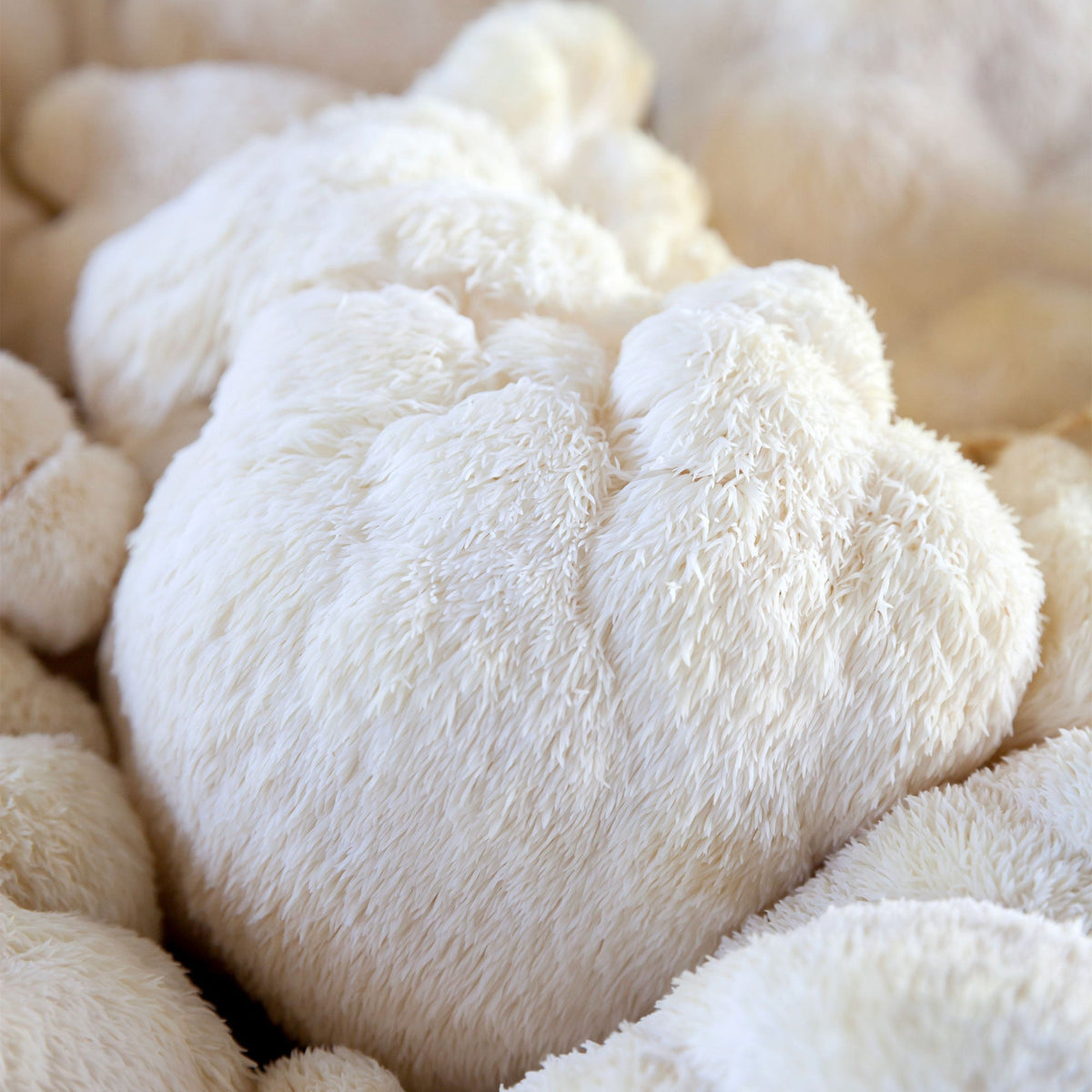
What do we really know about lion's mane and focus? The compounds studied, human trials, their limits and the nutrients with authorised claims.

Mycotherapy is the use of mushrooms to support wellbeing. Definition, history, the main species and the Swiss regulatory framework.